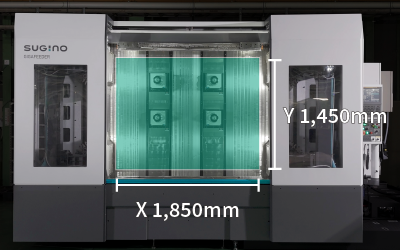
COMPACT VACUUM DRYER
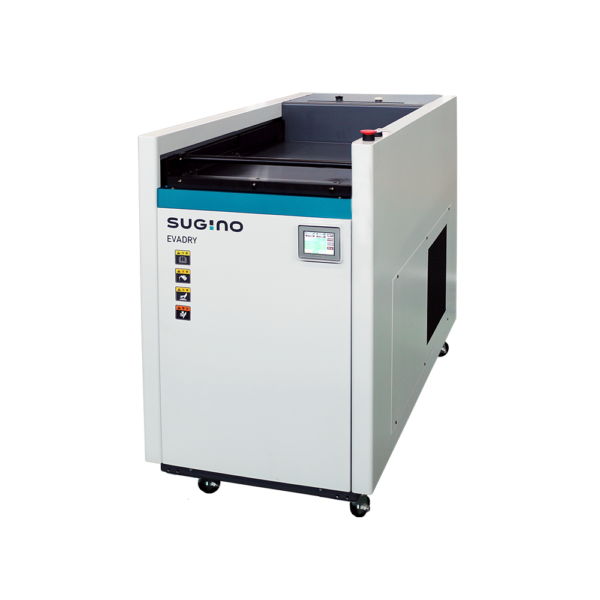
EVADRY
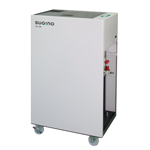
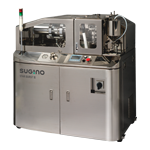
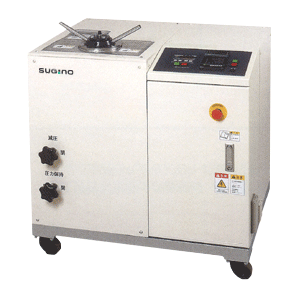
EVADRY is a vacuum dryer that completely removes moisture, even in deep or narrow holes, ensuring your workpiece is thoroughly dry.
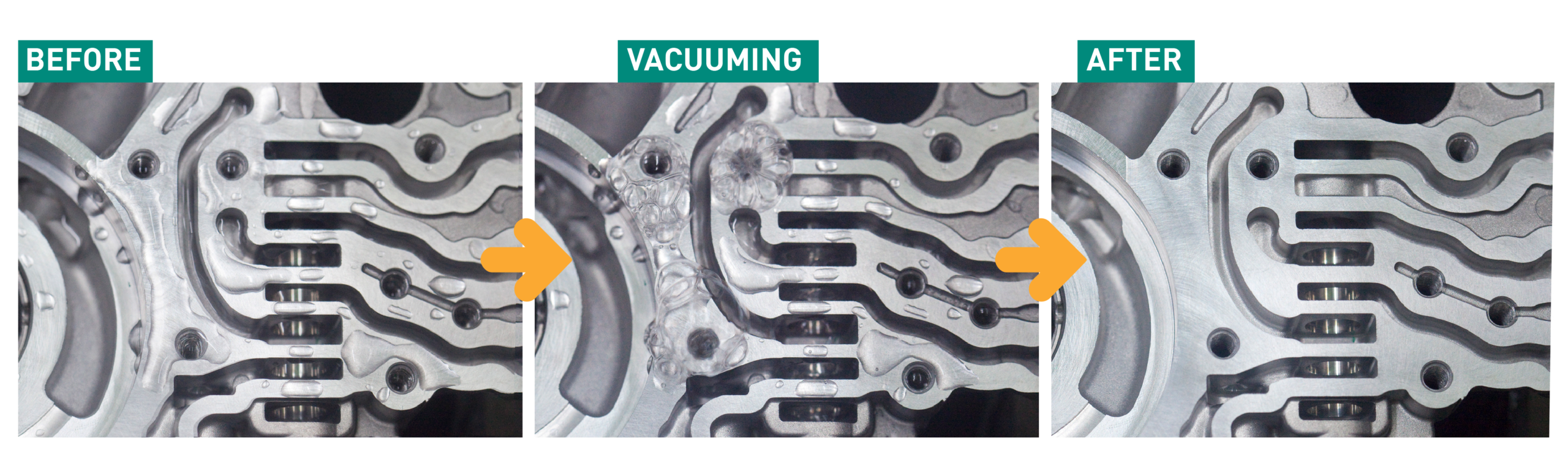
Traditional air blow drying struggles with blind holes, internal passages, and complex geometries. EVADRY eliminates these limitations by drying in a vacuum environment, ensuring moisture is removed evenly from all surfaces, visible or not.
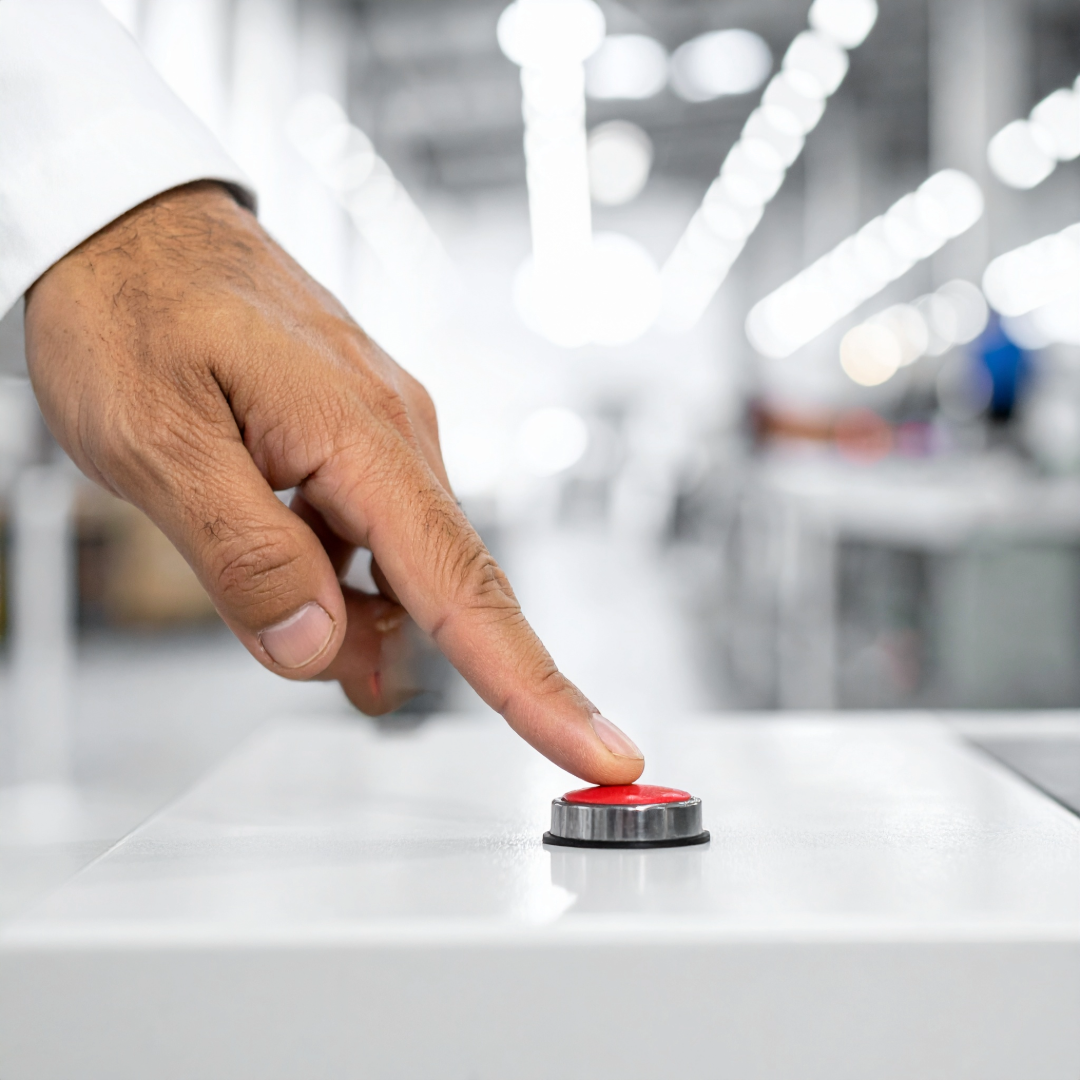
With a simple one-button operation, EVADRY reduces skilled-labor dependency and supports automation, lowering operating costs while improving drying quality.
In addition, EVADRY consumes far less power than traditional air blowers, making it an environmentally friendly and energy-efficient solution.
What is vacuum drying?
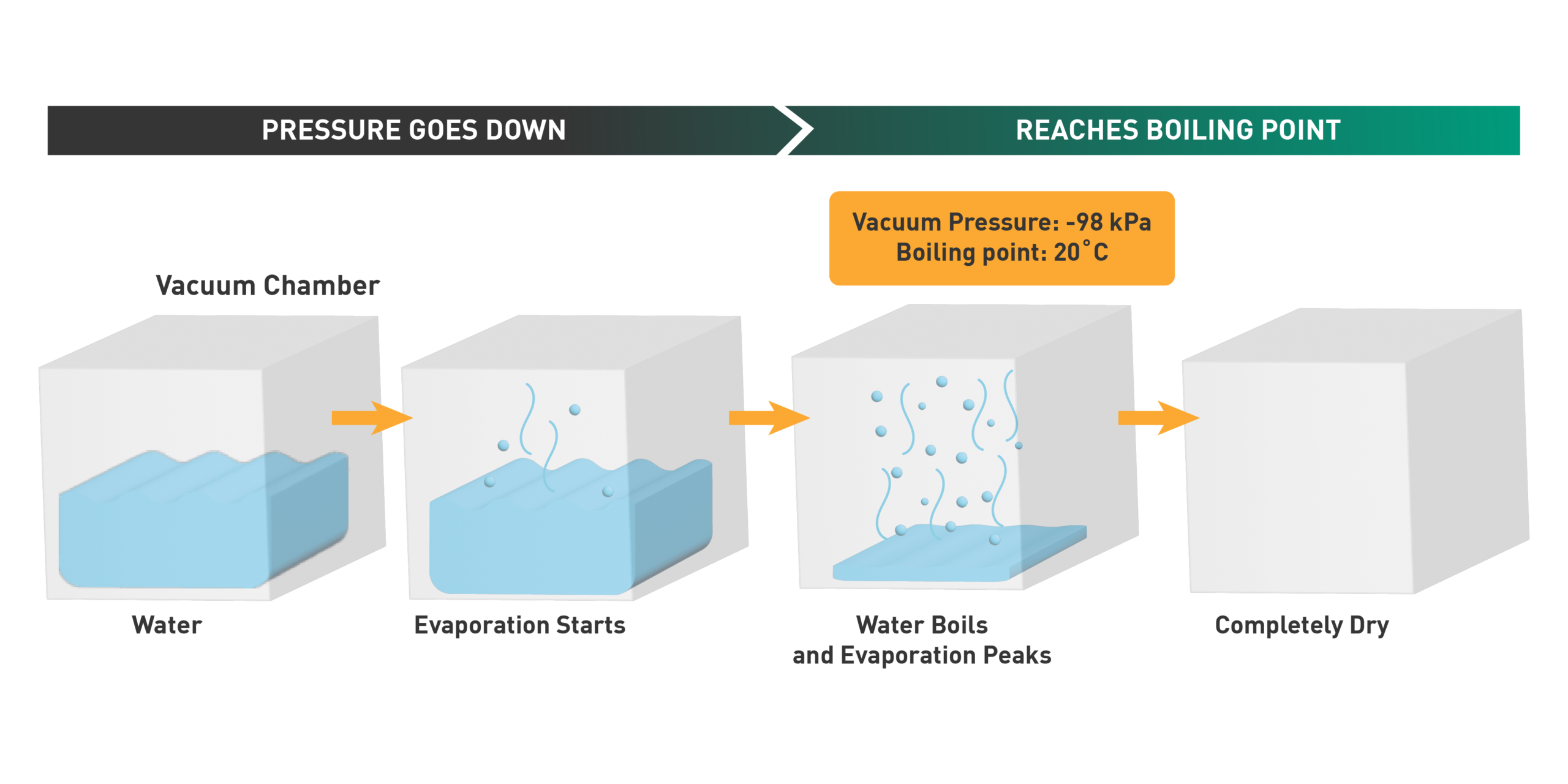
By creating a vacuum, all moisture remaining on the part is thoroughly removed.
Vacuum drying thoroughly removes moisture by lowering air pressure. When air pressure drops, water begins to boil and evaporate at temperatures well below 100 °C. EVADRY applies this principle by reducing the internal air pressure, creating a vacuum inside the chamber.
As a result, moisture remaining on the workpiece, including water trapped deep inside holes, grooves, or complex internal structures, rapidly evaporates. This ensures complete and uniform drying, even in areas that are difficult or impossible to dry with conventional methods.
ENERGY SAVING
Replacing air blow systems significantly reduces power consumption and CO₂ emissions
Did you know that air blow drying consumes a large amount of energy? These systems are highly energy-intensive and often inefficient at removing moisture, especially from complex parts.
By replacing conventional air blow drying with vacuum drying, overall power consumption can be dramatically reduced. Vacuum drying removes moisture more efficiently, eliminating the need for continuous high-energy air flow.
In addition, replacing manual air blowing reduces labor requirements, further lowering operating costs. Together, these benefits make vacuum drying a powerful solution for energy savings, cost reduction, and sustainable manufacturing.
CO2 emissions per hour
Vacuum Drying
EVADRY Features
Casters for Easy Movement
Compact Design that's Easy to Move and Easy to Operate
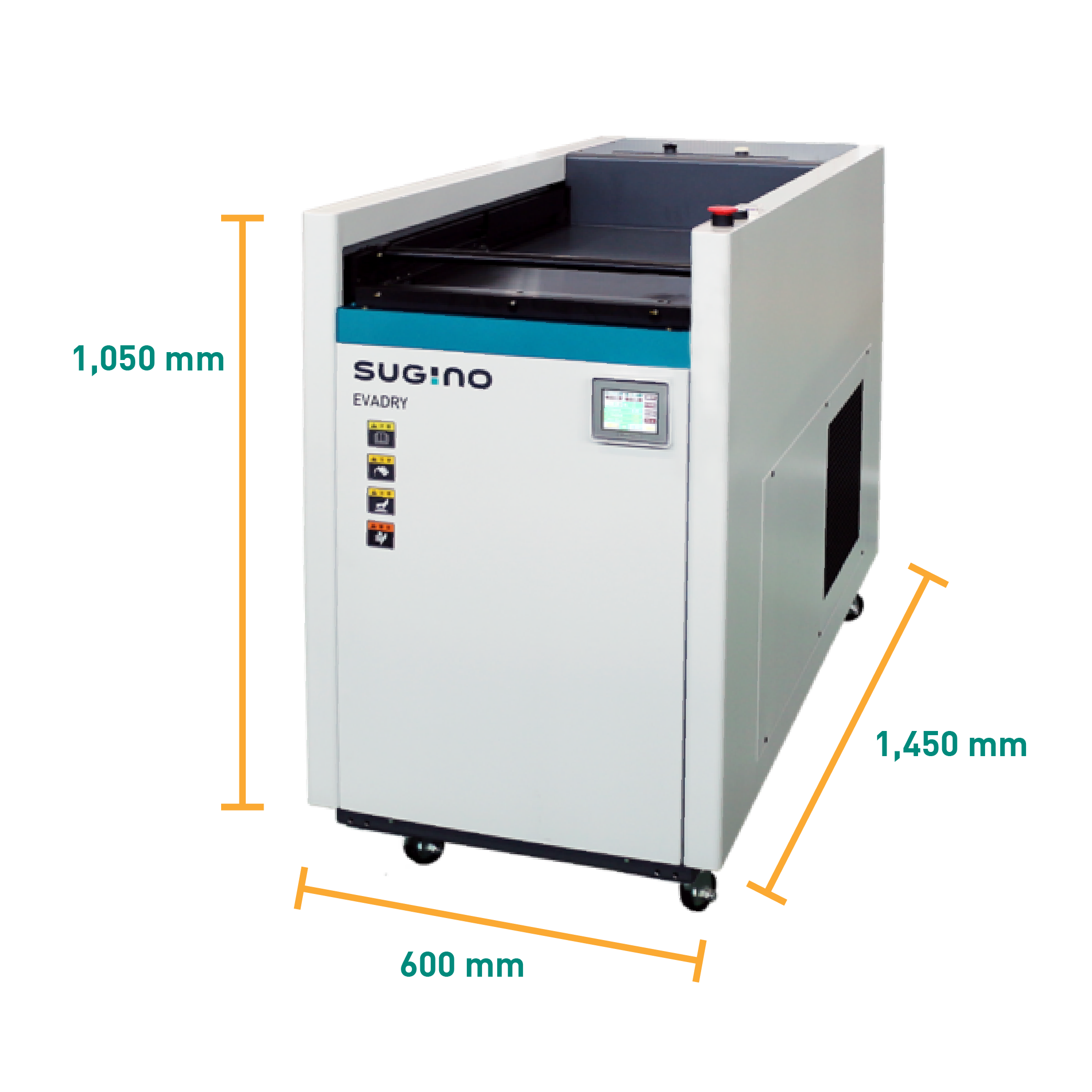
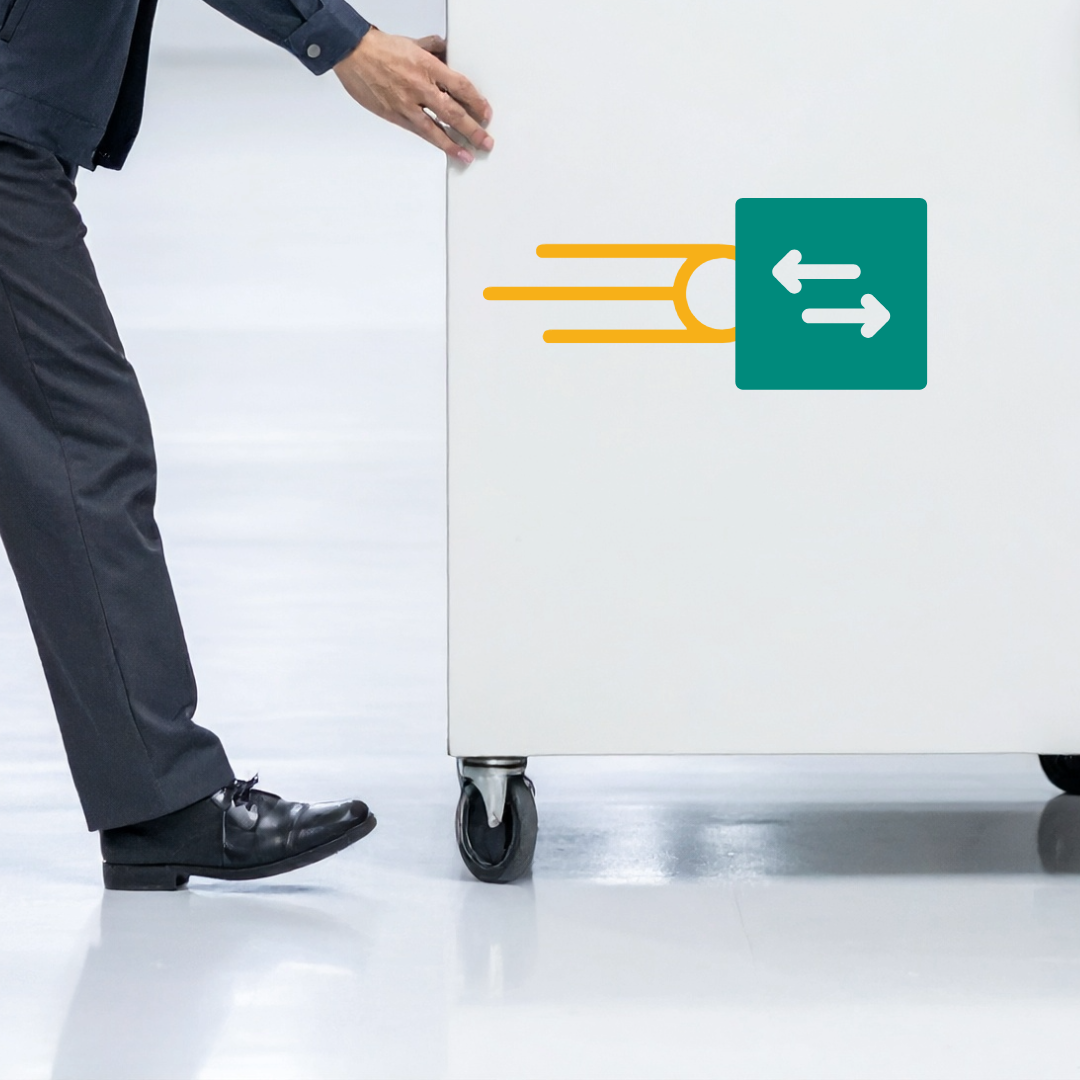
At just 1,150 mm in height and 600 mm in width, EVADRY’s compact footprint makes it is easy to fit, even in space-limited production areas. Equipped with casters, the unit can be moved and repositioned as needed. Simple, user-friendly operation adds flexibility on the production floor.
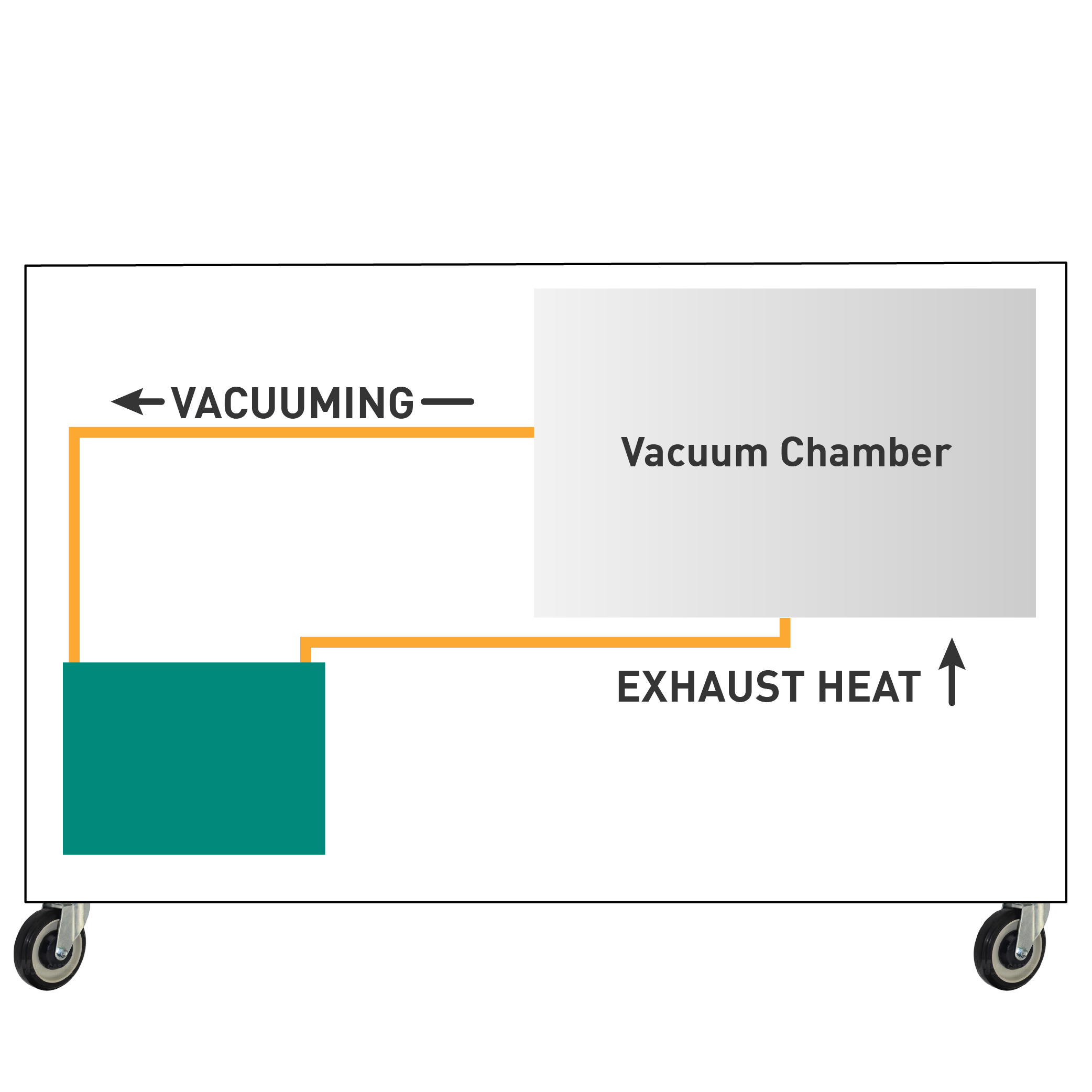
Highly Efficient Drying Using Vacuum Pump Exhaust Heat
In vacuum drying, increasing the temperature of the workpiece allows moisture to evaporate more efficiently. EVADRY enhances this process by reusing the vacuum pump's exhaust heat to raise the temperature inside the vacuum chamber.
By effectively utilizing this otherwise wasted heat, EVADRY improves drying performance and efficiency. Despite its compact design, EVADRY delivers exceptionally accurate and efficient drying results.
Automate for Even More Efficiency
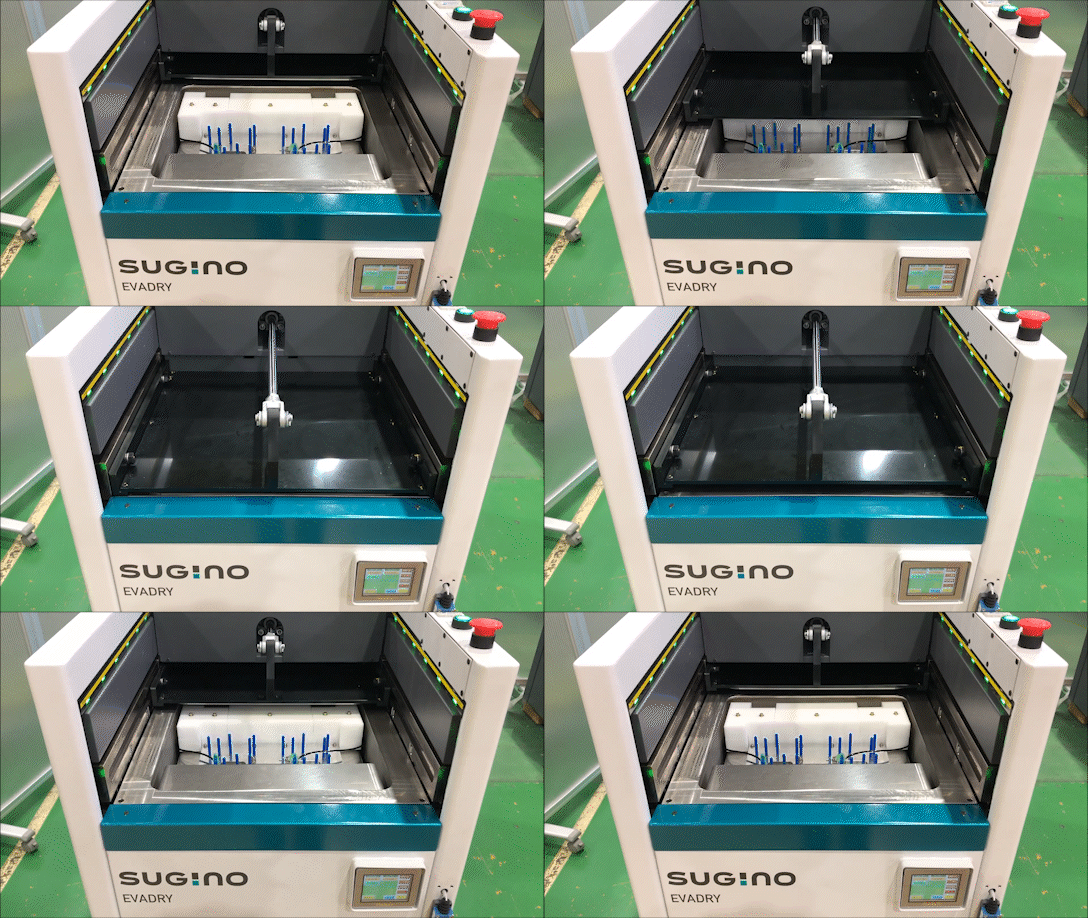
An optional auto-shutter seamlessly integrates with robots/gantry loaders, allowing for fully automated loading and unloading without manual intervention.
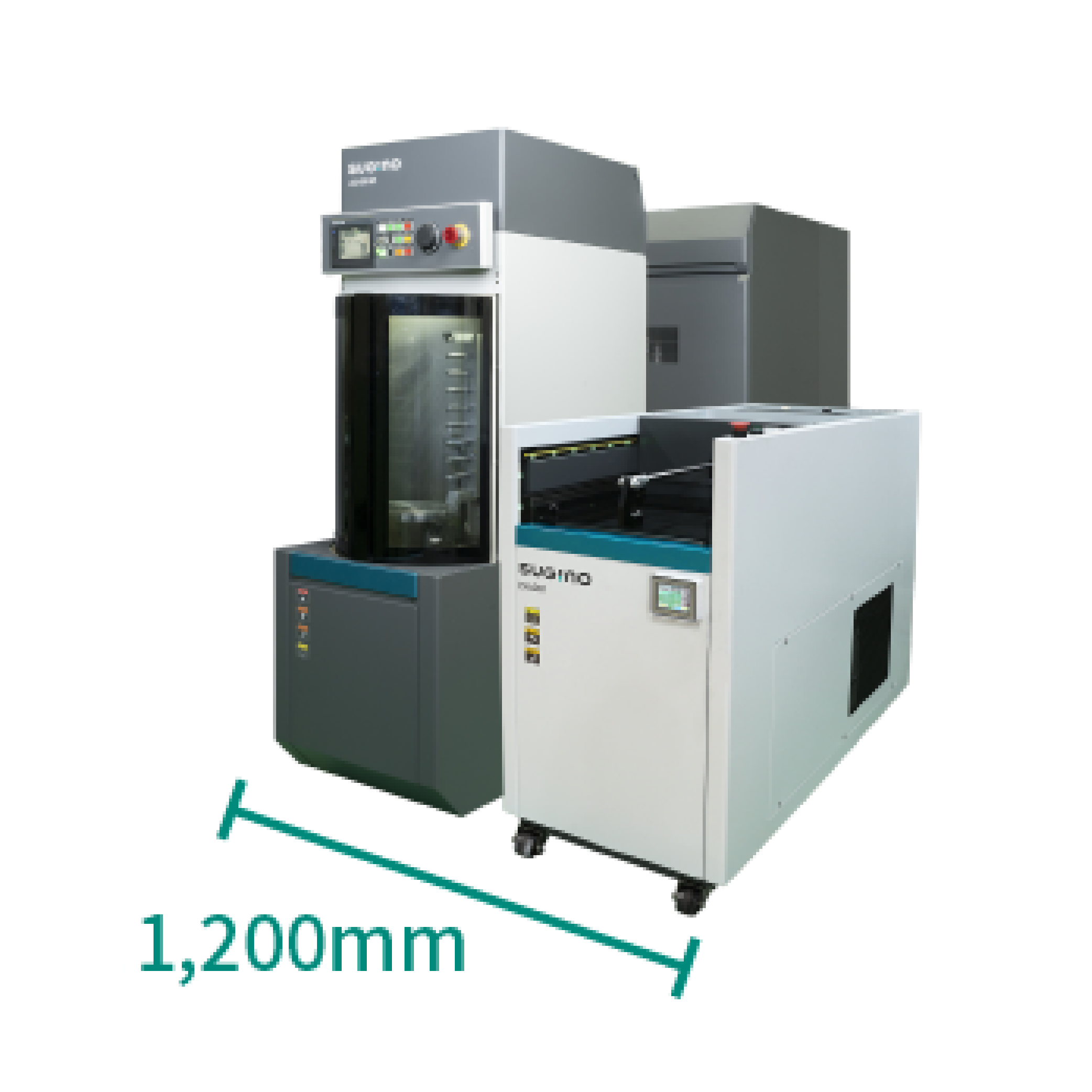
Pair EVADRY with the equally compact JCC-Module part-washing unit for an efficient consolidated wash/dry process, improving line efficiency with a streamlined workflow. Each unit it just 600 mm wide.
Specifications
Workpiece Rotation
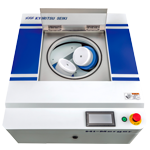
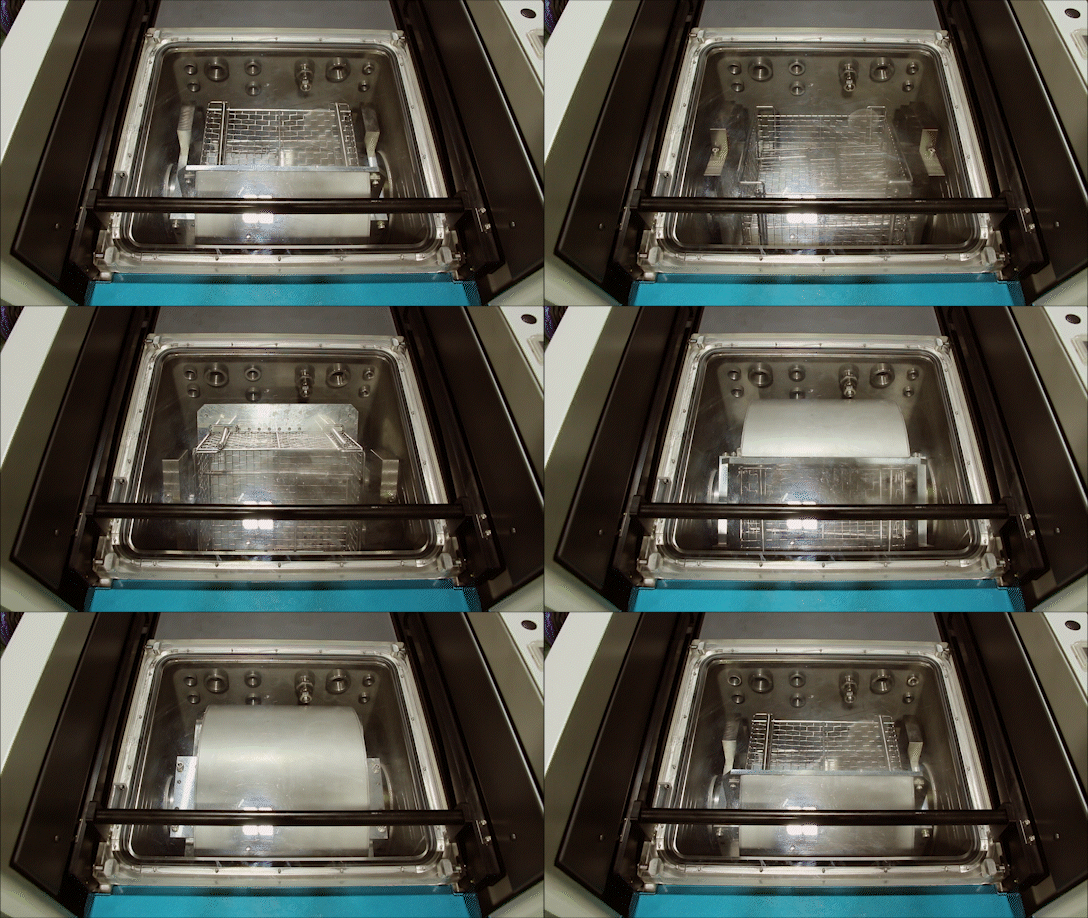
By rotating the workpiece inside the vacuum chamber, moisture that tends to accumulate in deep cavities or contact areas is redistributed for more effective evaporation and drying. This rotation function improves overall drying efficiency and can reduce drying time by 15% to 25%.
Hot Air Blowing
Adding the optional hot air blower helps by heating small parts and resin products, which are difficult to dry in a vacuum.
With the addition of hot air, the drying process is accelerated and drying efficiency can be enhanced by 10% to 15%.

- Complete drying of workpieces (capable of handling multiple pieces and irregular shapes)
- Rust prevention measures
- Energy-saving measures for the drying process
| Advantage | Disadvantage | Drying level | CO2 reduction rate * |
|
|---|---|---|---|---|
| Air blow |
Easy to install because only factory air is used |
|
No puddles - no water droplets falling. | – |
| Blower | Self-generated air is used, saving energy compared to air blow | Because the air pressure is lower than that of air blowing, the drying accuracy is inferior. | No puddles to only a few drops of water. | 44.4% |
| Vacuum dryer |
|
Oils cannot be dried | Complete dryness | 85.1% |