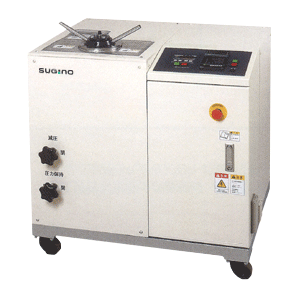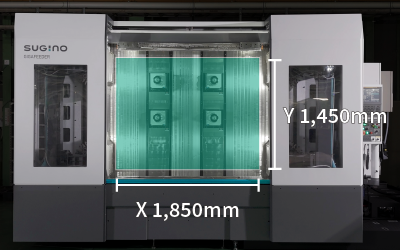

Shops and plants rarely plan time to clean coolant tanks, but they lose hours to it every week. Sludge builds up. Oil floats on top. Bacteria causes foul odors. Operators skim fluid manually or schedule full coolant dumps that halt production.
Most operators treat contamination as a maintenance chore. But left unchecked, it quietly shortens tool life, causes scrap, and forces costly downtime.
What Fluid Contamination Looks Like on the Floor
The Unplanned Coolant Change
Production stops. Tanks must be drained, cleaned. Disposal has to be handled. Fresh coolant purchased. And time lost to setup.
Tool Life Decline
Contaminants recirculate through tooling, increasing wear. Finishes get inconsistent.
Operator Health and Safety
Operators complain about the smell, and worry about skin irritation. They dread the hassle of unpleasant and time-consuming cleaning.
And looking at it critically, you'll see that over time this contamination can cause a range of problems, including:
Reduced equipment lifespan: Contaminated fluids accelerate wear on pumps, seals, and critical machine components, reducing equipment lifespan.
Compromised product quality: Residue buildup affects workpiece cleanliness, leading to part defects and inconsistent product quality.
Increased Maintenance Costs: Frequent fluid changes, system cleaning, and unscheduled maintenance stoppages increase operational costs.
Health and safety risks: Bacterial growth in contaminated fluids can lead to foul odors and pose potential health hazards to workers.
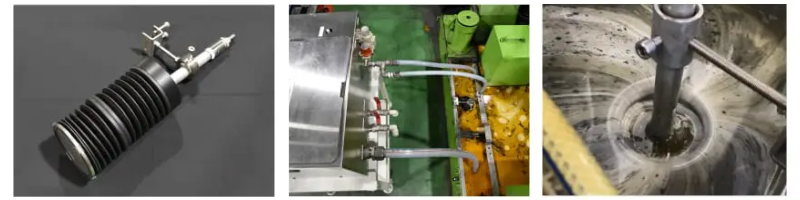
Why Oil Skimmers and Manual Cleaning Aren't Enough
Only remove floating tramp oil
Doesn't remove suspended fines
Doesn't address bacterial growth (leading to odor)
Requires operator attention
Often just moves contamination, rather than eliminates it
How Sugino’s JCC-HM Tackles Fluid Contamination
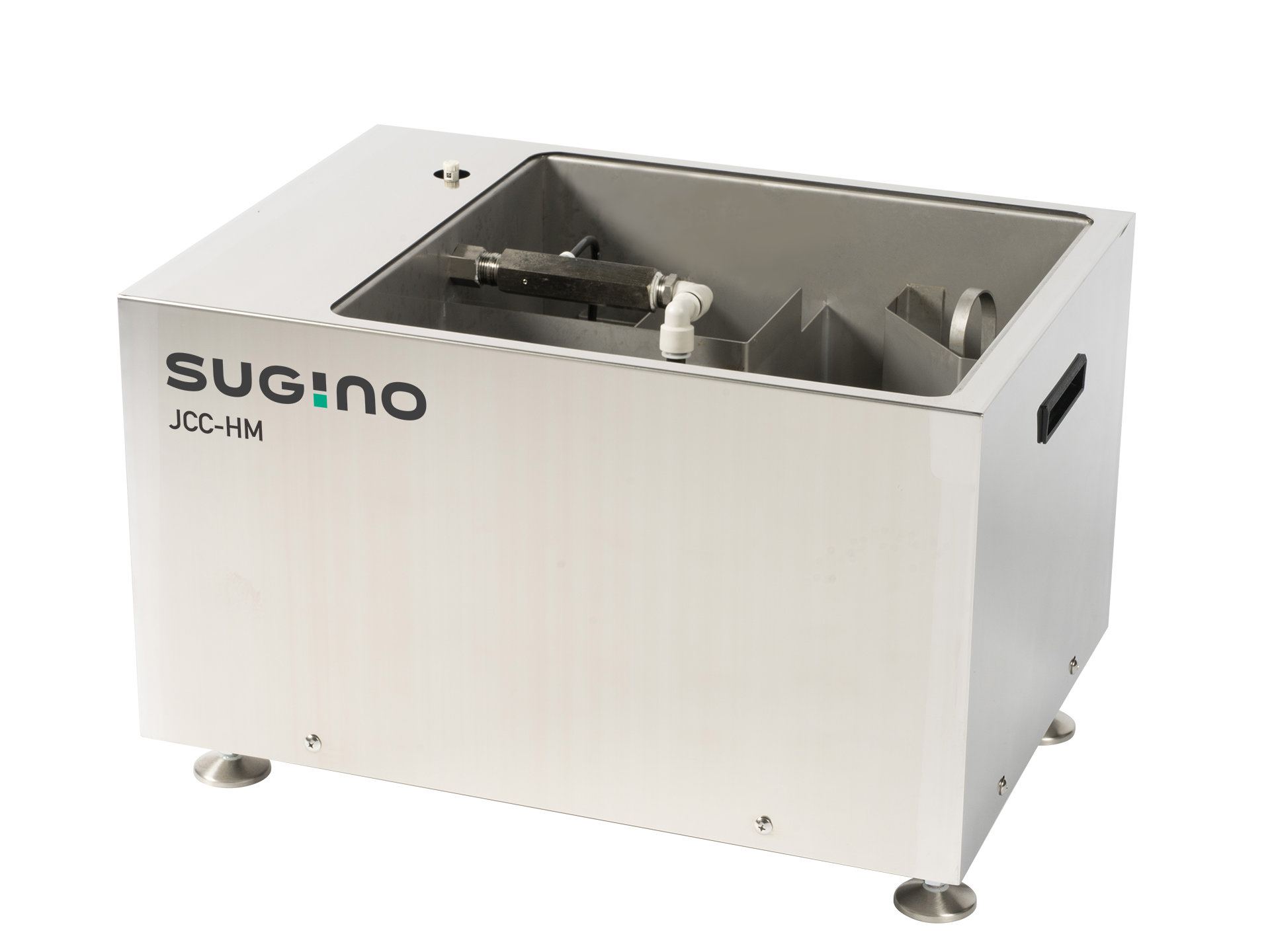
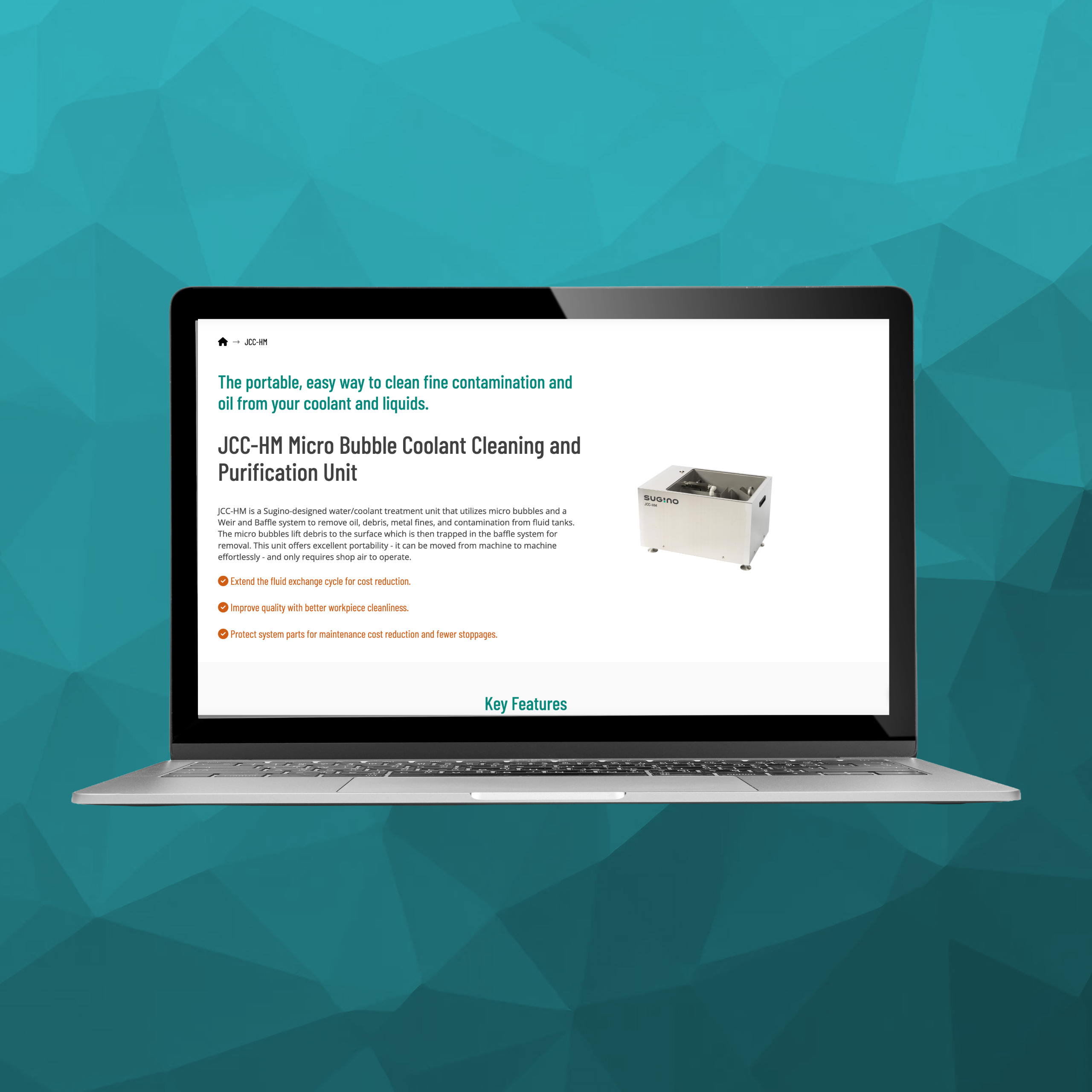
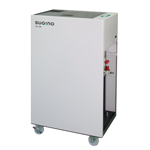
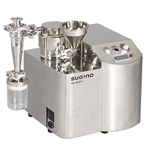
Sugino’s JCC-HM Micro Bubble Fluid Cleaner is designed to efficiently remove contamination from industrial fluids using a Weir and Baffle system combined with micro bubble technology
| Issue | How JCC-HM Solves It |
|---|---|
| Floating tramp oil returns into cutting zone | Microbubbles lift oil for removal |
| Sludge settles and builds in tank | Baffle system traps debris |
| Frequent coolant replacement | Continuous cleaning extends fluid life |
| Operator maintenance burden | Portable, plug-and-run system, only requires shop air |
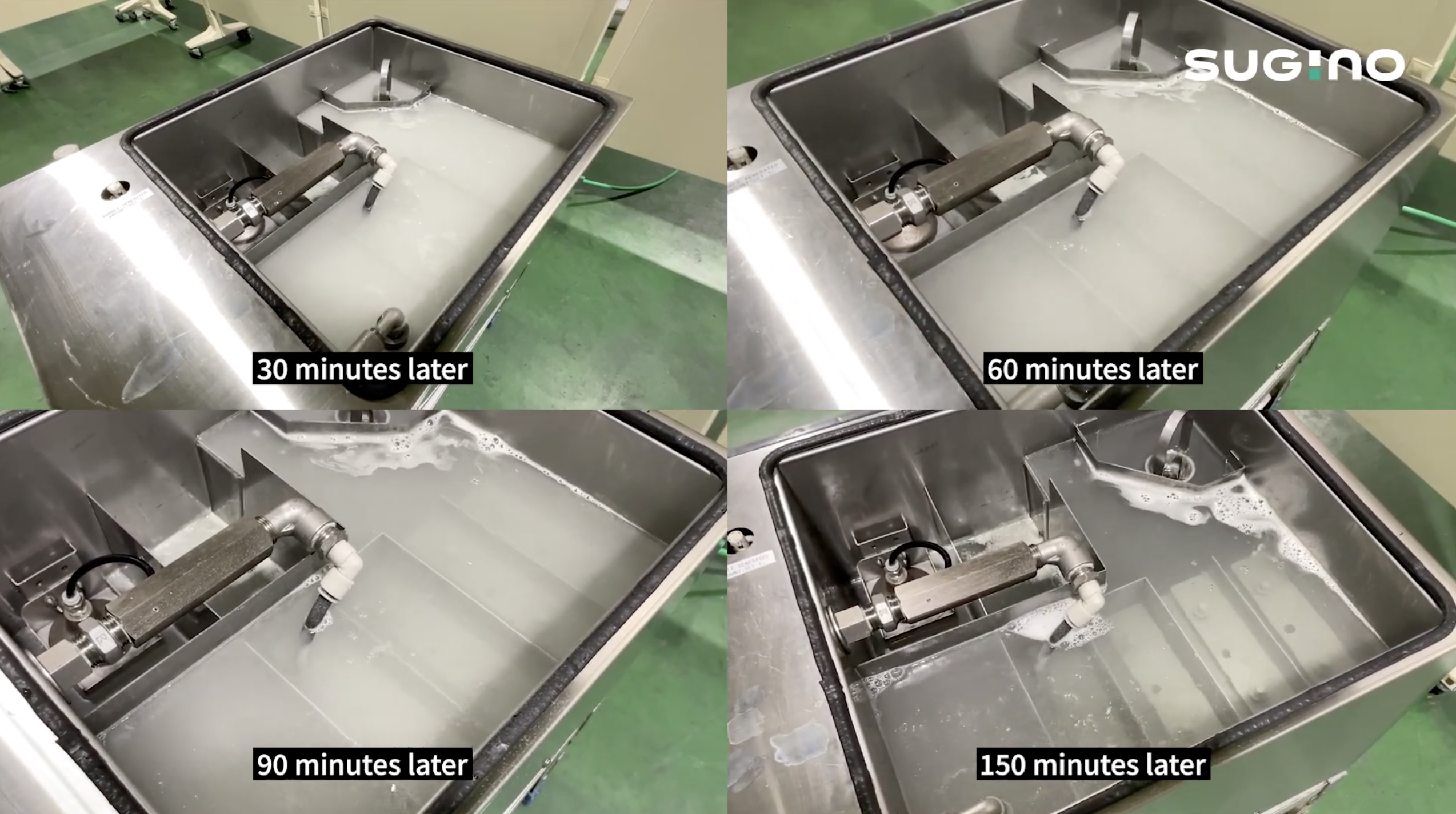
Watch the JCC-HM in action to see how it works.
Watch Case Study Videos:
This Solution Is Ideal For Shops That:
- Run multiple CNC machines
- Struggle with coolant odor or bacteria
- Change coolant frequently
- Machine cast iron or aluminum (heavy fines)
- Use high-precision tooling
- Run lights-out machining
Reduce Coolant Changes. Reduce Downtime.
Cleaner coolant means fewer tank dumps, better surface finish for your parts, and less maintenance. See how shops keep coolant usable longer.
Get Details on a Portable Solution
The Bottom Line
Dirty coolant isn’t just a maintenance nuisance, it’s a productivity killer hiding in plain sight.
Shops that actively manage fluid contamination reduce downtime, protect tooling investments, and keep machines running consistently.
If coolant maintenance feels like a constant battle in your shop, it may be time to automate it.
Key Takeaways to Consider
- Fluid contamination negatively impacts efficiency, equipment lifespan, product quality, and increases maintenance costs in industrial manufacturing.
- Sugino’s JCC-HM Micro Bubble fluid and coolant cleaner effectively reduces contamination using micro bubble technology and a baffle system.
- The JCC-HM captures contaminants, extends fluid life, and prevents bacterial growth, enhancing workplace conditions.
- Implementing the JCC-HM can significantly improve fluid cleanliness and boost overall operational efficiency.
- Consider the JCC-HM for proactive solutions to fluid contamination and its associated challenges.